
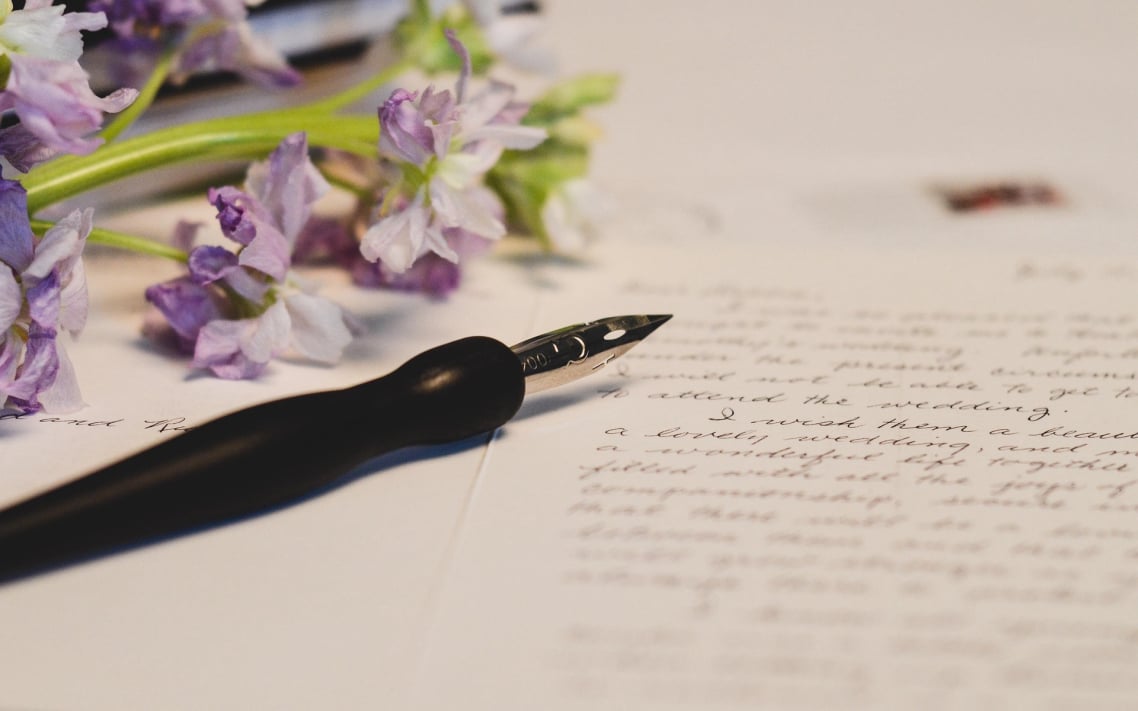
In a digital world, the appeal of well-made writing tools has not disappeared. Many people still enjoy the feel of a smooth pen, the look of carefully designed notebooks and the satisfaction of using stationery that feels precise, practical and attractive. For students, professionals, artists, planners and stationery enthusiasts, quality materials can make everyday writing feel more enjoyable.
Japanese Pens and Japanese Stationery are especially popular because they are known for precision, thoughtful design and excellent usability. From fine-tip gel pens and smooth ballpoint pens to notebooks, planners, sticky notes and desk accessories, these products often combine function with style. They are designed to make writing, drawing, studying and organising feel more comfortable and efficient.
One of the main reasons Japanese writing products stand out is attention to detail. Pens are often designed to offer consistent ink flow, comfortable grip and clean lines. This makes them useful for long writing sessions, revision notes, journaling, sketching and office work. A good pen should not scratch, skip or smudge excessively, and many Japanese designs focus heavily on this writing experience.
Fine-tip pens are particularly popular. They allow neat handwriting, precise annotation and detailed drawing. For people who use planners, bullet journals or study notes, a fine tip can help keep pages tidy and organised. Gel pens are also widely appreciated because they often provide rich ink colour and smooth movement across the page.
Japanese stationery is not only about pens. Notebooks, paper, folders, washi tape, highlighters and correction tools all form part of the wider stationery culture. Many products are created to be both useful and attractive, with clean layouts, clever formats and compact designs. This makes them suitable for school bags, office desks, home workspaces and creative projects.
Paper quality is another important feature. A good notebook should handle ink well, reduce bleed-through and provide a comfortable writing surface. Smooth paper can make writing feel easier, especially when using fountain pens, gel pens or fine liners. The right paper can also make notes look cleaner and more professional.
Organisation is a major part of the appeal. Planners, tabs, index markers, labels and file systems help people manage tasks, deadlines and ideas. For students, organised notes can make revision easier. For professionals, tidy planning tools can support productivity. For creative users, stationery can help turn thoughts, sketches and inspiration into something structured.
Design is also important. Japanese stationery often uses a balance of simplicity, colour and practicality. Some products are minimal and understated, while others are playful, decorative or character-led. This wide range means users can choose items that match their personality, work style or creative interests.
Highlighters are another useful category. Soft-colour and dual-tip highlighters are popular for studying, planning and marking important information. Unlike very bright colours that can dominate a page, softer tones can make notes easier to read while still helping key points stand out. This is useful for revision notes, meeting notes and diary planning.
For artists and designers, Japanese pens can offer control and consistency. Brush pens, fineliners, markers and technical pens can be used for illustration, lettering, calligraphy and sketching. Different nib sizes and ink types allow users to create varied effects, from delicate detail to bold expressive lines.
Stationery can also improve motivation. A well-designed notebook or comfortable pen can make people more likely to write things down, plan their day or stay organised. While stationery alone cannot create productivity, enjoyable tools can make everyday tasks feel more appealing and less rushed.
Durability and refill options are also worth considering. Some pens are disposable, while others can be refilled, making them more cost-effective over time. Refillable pens may also appeal to people who want to reduce waste. Choosing quality products that last longer can be better than repeatedly buying cheaper items that perform poorly.
When choosing stationery, it helps to think about the intended use. A student may need reliable pens, highlighters and notebooks for revision. An office worker may prefer smooth pens, sticky notes and filing tools. A journal user may want decorative tape, fine liners and quality paper. Matching products to real needs helps avoid clutter and unnecessary spending.
In summary, Japanese Pens and Japanese Stationery remain popular because they combine precision, comfort, design and everyday practicality. Whether used for study, work, journaling, planning or creative projects, the right stationery can make writing and organisation more enjoyable. With smooth ink, quality paper and thoughtful design, these products continue to show why good writing tools still have lasting value.