
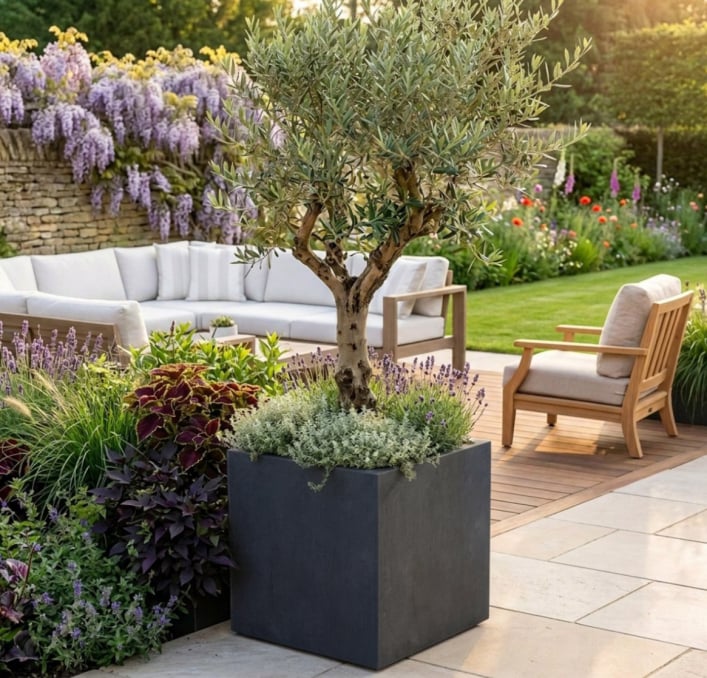
Trees can add height, structure and natural character to gardens, patios, courtyards, entrances and commercial outdoor areas. They can be used to create privacy, frame doorways, soften hard landscaping or bring greenery to spaces where planting directly into the ground is not possible. For many people, large containers offer a flexible way to grow trees in a controlled and attractive way.
Buy pots for trees is a common search for people looking for suitable containers that can support healthy growth and long-term stability. Tree pots need to be larger, stronger and better prepared than standard plant pots because trees have deeper roots, heavier top growth and greater watering needs. Choosing the right pot can make a major difference to how well the tree establishes and performs.
Size is one of the most important things to consider. A pot that is too small can restrict root development, dry out quickly and cause the tree to become unstable. A larger pot provides more growing space, holds more compost and helps the tree access water and nutrients. The pot should suit the current tree size while allowing room for future growth.
Depth is also essential. Trees need enough space below the surface for roots to anchor properly. Shallow containers may be suitable for small decorative plants, but they are rarely the best option for trees. A deeper pot can help support the tree and reduce the risk of it becoming top-heavy, especially in exposed or windy locations.
Material choice affects both appearance and practicality. Terracotta pots offer a traditional look but can be heavy and may crack in freezing conditions. Plastic and resin pots are lighter and easier to move, making them useful for patios and balconies. Fibreglass and composite pots can provide a modern finish, while stone, metal and concrete options offer strength and stability.
Drainage is vital for container-grown trees. If water cannot escape, roots may become waterlogged and unhealthy. Tree pots should have drainage holes, and it can help to raise the pot slightly off the ground to allow excess water to drain freely. Good drainage supports healthier root growth and reduces the risk of rot.
The growing medium should also be chosen carefully. Trees in pots rely completely on the compost inside the container, so it needs to provide nutrients, structure and moisture retention. A soil-based compost is often suitable for long-term planting because it gives the tree more support than lightweight compost alone. Regular feeding may be needed as nutrients are used up over time.
Watering is another important factor. Trees planted in the ground can draw moisture from surrounding soil, but trees in pots depend on the water available inside the container. During warm or dry weather, they may need regular watering. Larger pots usually hold moisture better than small pots, but they should still be checked often.
Location should be considered before planting. Once a large pot is filled with compost, water and a tree, it can become very heavy and difficult to move. It is usually best to place the pot in its final position first. The chosen location should suit the tree’s needs, including sunlight, shelter and available space for growth.
Tree selection matters too. Not every tree is suitable for container growing. Compact, dwarf or slow-growing varieties are often better choices than large, vigorous species. Bay trees, olive trees, acers, dwarf fruit trees and some evergreens can work well in pots when cared for correctly. The tree should match the pot size and growing conditions.
Pots for trees can also be used to create privacy and structure. Tall evergreens, ornamental trees or trained trees can help screen seating areas, boundaries and overlooked spaces. This can be useful where permanent hedging is not possible or where a flexible screening option is preferred. Matching pots can create a neat, formal look, while mixed containers can feel more natural.
For entrances, tree pots can create a strong first impression. A pair of matching containers with neatly shaped trees can frame a doorway or pathway. In commercial spaces, large tree pots can help make outdoor areas feel more welcoming and professional. They can also be used to guide movement or separate different zones.
Maintenance should not be overlooked. Trees in pots may need pruning, feeding, watering and occasional repotting. Over time, roots may fill the container, reducing access to nutrients and water. Refreshing the top layer of compost or moving the tree into a larger pot can help maintain healthy growth.
Weight and stability are practical concerns. Taller trees can catch the wind, so the pot needs to be heavy or wide enough to stay secure. Lightweight pots may need additional stability, especially in exposed areas. Safety is particularly important on balconies, roof terraces and public spaces.
In summary, buy pots for trees is a useful search for anyone looking to grow trees in gardens, patios, entrances or commercial outdoor areas. The right pot should provide enough size, depth, drainage and stability for long-term growth. With suitable materials, compost, watering and tree choice, container-grown trees can become attractive and lasting features.